Maximising milk production in today’s high-yielding dairy cows requires more than just meeting the required megajoules (MJ) of energy, says Dr Richard Kirkland, Global Technical Manager for Volac Wilmar Feed Ingredients.
“Depending on stage of lactation, high-yielding dairy cows can require 400 MJ or more of metabolisable energy (ME) per day, and approximately 15 to 20% of that energy should be supplied from fat for optimal milk production efficiency,” explains Dr Kirkland. “However, within rumen-protected fat supplements, individual fatty acids elicit different responses and partition nutrients towards different aspects of performance. This creates opportunities to target milk yield and milk fat production while protecting body condition and fertility through strategic use of differing rumen-protected fat supplements.”
Meet energy requirements while protecting rumen function
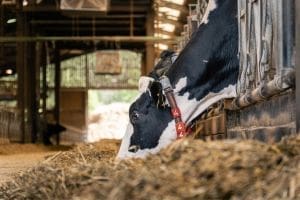
Strategically matching rumen-protected fatty acid profiles to a cow’s stage of lactation can improve milk production, milk solids and long-term herd performance, says Dr Richard Kirkland, Global Technical Manager for Volac Wilmar Feed Ingredients.
The first part of the energy supply equation for maximum milk production is providing energy without compromising rumen function. On paper, cereals are an attractive source of dietary energy because they are widely available and more energy-dense than forages. However, their high starch content leads to acid production in the rumen, increasing risk of acidosis, cautions Dr Kirkland.
“Energy supply and rumen function cannot be separated,” says Dr Kirkland. “If the ration supplies more energy on paper but compromises rumen conditions, the cow may ultimately receive less energy from the total diet.”
Containing around 2.5-times more energy than cereals, rumen-protected fat supplements provide a practical way of increasing dietary energy density without adding to the acid load associated with rapidly fermentable starch. Manufactured to pass through the rumen before digestion in the small intestine, rumen-protected fat supplements increase energy supply without compromising rumen function.
Target fatty acids throughout lactation
Using rumen-protected fat supplements, optimising cow performance begins with matching the cow’s stage of lactation and production objectives to the right fatty acid profile.
During the first 100 to 120 days in milk, cows experience their greatest energy demand as milk production outpaces feed intake. At this stage, feeding strategies should prioritise energy supply, and avoid compromising body condition and fertility.
“Supplements containing higher levels of rumen-protected oleic fatty acid (C18:1) are particularly valuable during early lactation,” says Dr Kirkland. “C18:1 improves total fat digestibility, increasing the amount of energy extracted from the diet, while directing nutrients towards body condition. It has also been shown to support egg and embryo development, helping prepare cows for a successful breeding period.”
“Supplements containing higher levels of palmitic fatty acid (C16:0) exert different effects in the cow,” explains Dr Kirkland. “C16:0 directs nutrients towards the udder, increasing milk fat and milk yield, particularly beneficial once cows have recovered from the demands of early lactation.”
“There isn’t a single fatty acid profile that’s right for every cow throughout lactation,” says Dr Kirkland. “Matching the fatty acid profile of a rumen-protected fat to the cow’s changing nutritional priorities allows producers to support energy demands and minimise body condition loss in early lactation, and target other areas of production such as milk fat production with different fatty acid profiles if the milk contract requires.”
Protect long-term cow performance
Selecting the right fatty acid profile isn’t simply about increasing milk yield. Long-term profitability depends on maintaining body condition, fertility and cow longevity alongside production. Excessive body condition loss during early lactation can reduce conception rates and delay the return to pregnancy.
Research from the University of Nottingham, UK, indicates that every 0.5-unit loss in body condition score can reduce conception rates by around 10%, reinforcing the importance of meeting energy requirements while protecting body reserves during early lactation.
“Ultimately, the goal is not simply to maximise milk yield, but to maximise lifetime performance,” concludes Dr Kirkland. “When energy supply and fatty acid profiles are matched to the cow’s natural production profile throughout lactation, producers can improve milk production, milk quality, fertility and overall herd profitability.”